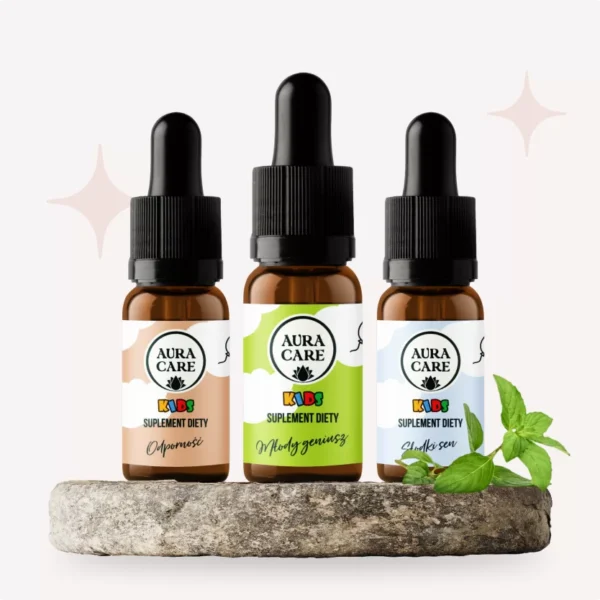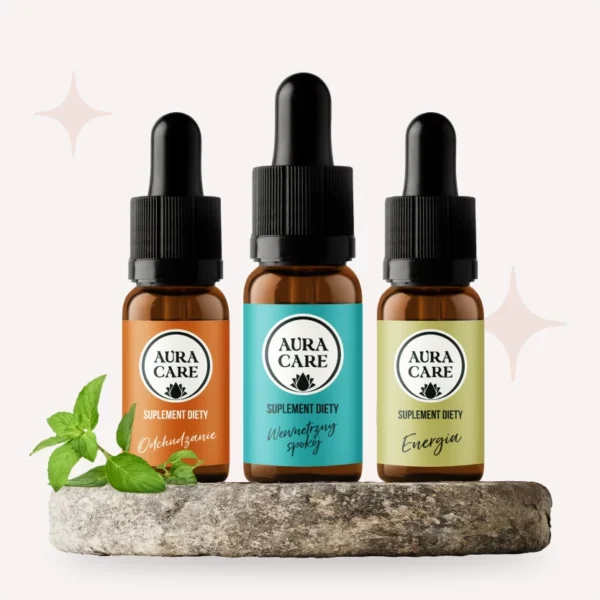






Aura Care - Zestaw adaptogenów
Dla mamy i dziecka:
- Odchudzanie | 9200mg
- Wewnętrzny spokój | 9400 mg
- Włosy i skóra | 9400 mg
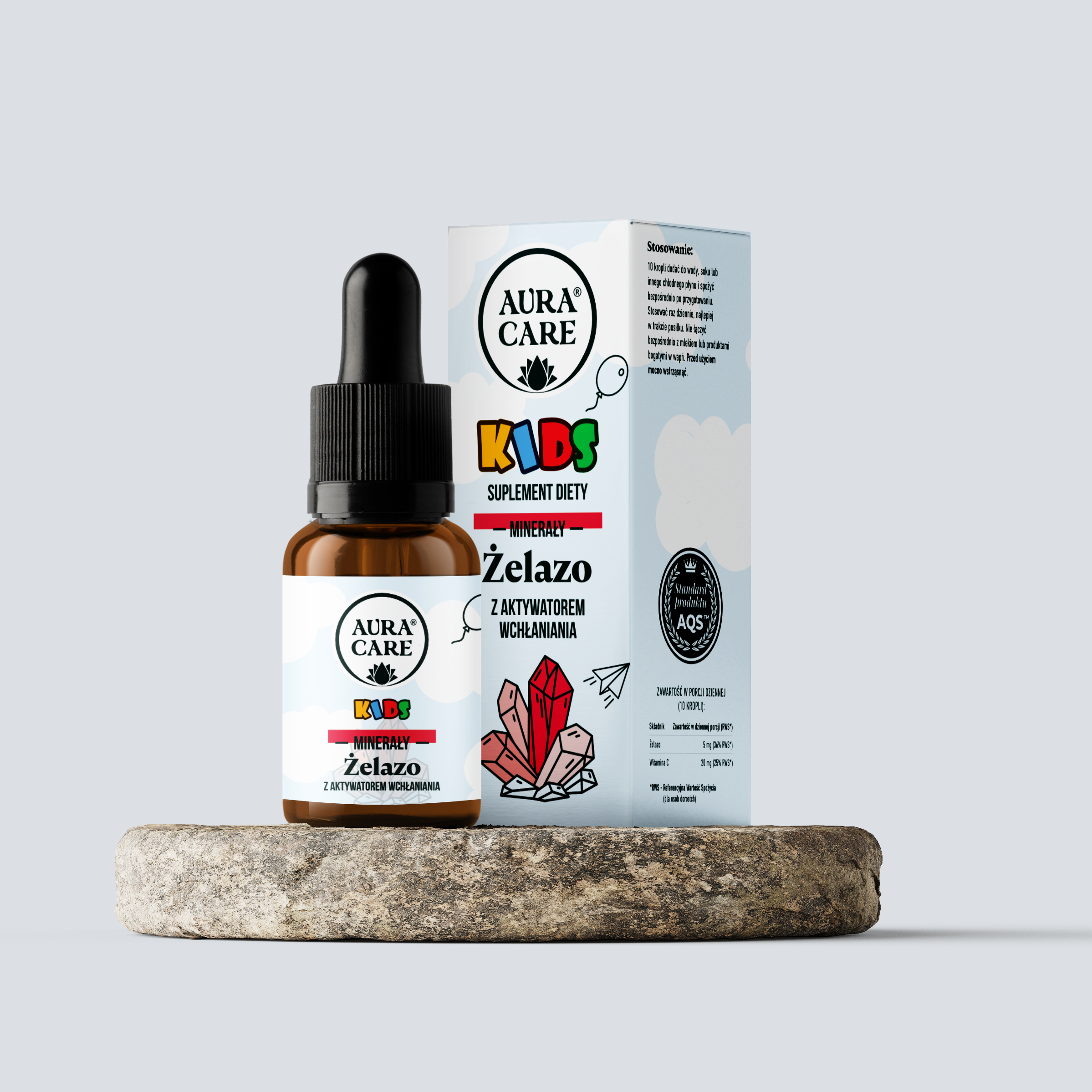
- Odporność KIDS | 9400 mg
- Młody geniusz KIDS | 9400 mg
- Wilczy apetyt KIDS | 9400 mg
Aura Care – Odchudzanie. Korzyści ze stosowania
* Zgodne z Rozporządzeniem Komisji (UE) nr 432/2012.
W nawiasach znajdują się odnośniki do dowodów naukowych, wymienionych na dole strony.
- Przyspieszenie metabolizmu i spalania kalorii: suplement zawiera macerat olejowy z nasion Guarany, który działa termogenicznie, pobudzając metabolizm Twojego organizmu. To oznacza, że Twój organizm będzie efektywniej spalał tkankę tłuszczową, pomagając Ci osiągnąć wymarzoną sylwetkę. Dodatkowo macerat olejowy Czarciego pazura przyczynia się do przyspieszenia tempa spalania kalorii. To oznacza, że Twoje ciało będzie skuteczniej wykorzystywać energię i przekształcać ją w siłę oraz redukować nagromadzoną tkankę tłuszczową. (O15,O16,O17,O18,O21,O22,O23,O24,O25,O26)
- Detox: Składnik macerat olejowy Czarciego pazura wspomaga redukcję tkanki tłuszczowej poprzez działanie przeciwzapalne i detoksykacyjne. To oznacza, że Twoje ciało będzie lepiej oczyszczone z toksyn, a Ty zauważysz zmniejszenie wzdęć i poprawę kondycji jelit. (O27,O28,O29,O30)
- Regulacja wagi: Macerat olejowy z morszczyna pęcherzykowatego jest naturalnym źródłem jodu, który wspomaga prawidłowe funkcjonowanie tarczycy i metabolizmu. Dzięki temu Twój organizm utrzyma optymalną wagę, a Ty poczujesz się pewniej i zyskasz smukła sylwetkę. (O9,O10,O11,O12)
- Wspiera utratę wagi i modelowanie sylwetki: macerat olejowy z Pokrzywy indyjskiej czyli Coleus Forskohlii wpływa na proces spalania tłuszczu, co przyczynia się do utraty zbędnej masy ciała. Produkt „Odchudzanie” pomaga w modelowaniu smukłej sylwetki zarówno u mężczyzn, jak i u kobiet. (O1,O2,O3,O4,O5,O6)
- Redukcja tkanki tłuszczowej w okolicach brzucha: Macerat olejowy z Pokrzywy indyjskiej zawiera forskolinę, która pomaga w spalaniu tłuszczu, szczególnie w okolicach brzucha. To oznacza, że Twoje brzuch będzie płaski i zdefiniowany, dając Ci większą pewność siebie. (O7,O8,O19,O20)
- Kontroluje apetyt i podjadanie: Dzięki Morszczynowi pęcherzykowatemu i Guaranie produkt „Odchudzanie” może pomóc w kontrolowaniu apetytu i redukowaniu niezdrowego podjadania. Czujesz się dłużej syty, co ułatwia utrzymanie zdrowej diety i ograniczenie spożycia kalorycznego. (O13,O14,O15,O16)
Aura Care – Wewnętrzny Spokój. Korzyści ze stosowania
* Zgodne z Rozporządzeniem Komisji (UE) nr 432/2012.
W nawiasach znajdują się odnośniki do dowodów naukowych, wymienionych na dole strony.
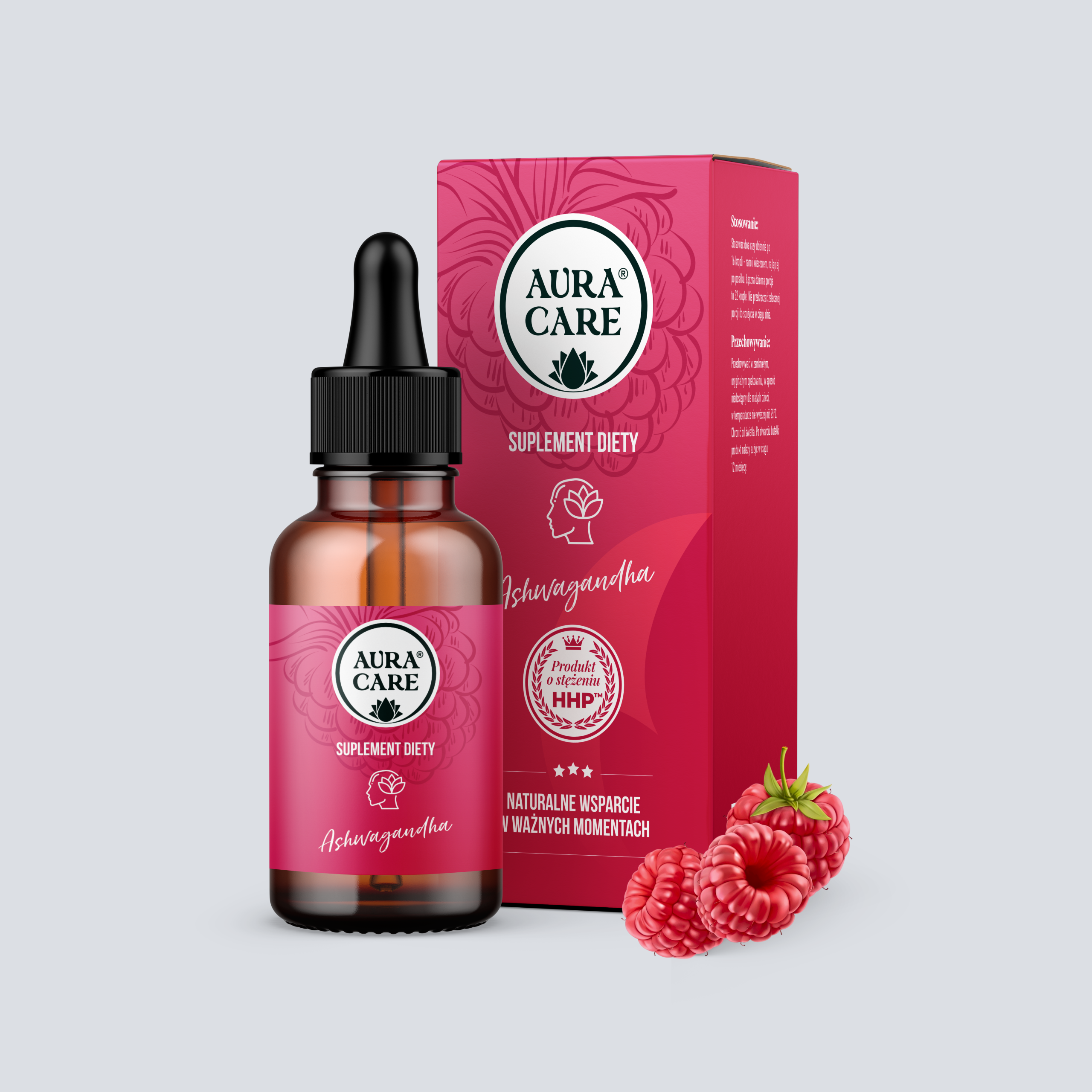
- Redukcja stresu i poprawa nastroju: Ashwagandha jest rośliną adaptogenną, pomaga w regulacji reakcji organizmu na stres. Jej obecność w “Wewnętrznym spokoju” przyczynia się do zmniejszenia uczucia niepokoju i poprawy ogólnego samopoczucia. (W1,W2,W3,W4)
- Wspieranie relaksu i spokoju: Składniki takie jak Ashwagandha, wyciąg z Szyszek chmielu i Różeniec górski są znane ze swojego wpływu na układ nerwowy, pomagając w osiągnięciu stanu wewnętrznego spokoju, pozbyciu się lęków oraz poprawy jakości snu. (W21,W22,W31,W32)
- Wzmacnianie zdolności poznawczych: Ashwagandha wspomaga funkcje poznawcze, takie jak koncentracja i pamięć. Japońska Matcha zawiera naturalnie występujący aminokwas - L-teaninę, który działa uspokajająco na umysł, jednocześnie poprawiając czujność i koncentrację. (W13,W14,W17,W18)
- Antyoksydacyjna ochrona: Składniki jak Japońska Matcha i Ashwagandha są bogate w związki antyoksydacyjne, które pomagają w zwalczaniu wolnych rodników i ochronie komórek przed stresem oksydacyjnym. (W11,W12,W19,W20)
- Wzmocnienie układu sercowo-naczyniowego: Składniki, takie jak Ashwagandha i Szyszki chmielu mają korzystny wpływ na zdrowie serca i układu krążenia. Mogą one pomóc w regulacji ciśnienia krwi i poprawie elastyczności naczyń krwionośnych. (W27,W28,W33,W34)
- Regulacja hormonalna: Ashwagandha i Różeniec górski są znane ze swojego wpływu na równowagę hormonalną organizmu. Adaptogeny na stres pomagają w regulacji poziomów hormonów stresu, takich jak kortyzol, co może przyczynić się do poprawy ogólnego stanu zdrowia oraz samopoczucia psychicznego. (W5,W6,W35,W36)
Aura Care – Włosy i Skóra. Korzyści ze stosowania
* Zgodne z Rozporządzeniem Komisji (UE) nr 432/2012.
W nawiasach znajdują się odnośniki do dowodów naukowych, wymienionych na dole strony.
- Naturalnie zdrowe włosy: Aura Care „Włosy i Skóra” zawiera olejowy macerat z liści pokrzywy, który jest znany ze swojego pozytywnego wpływu na zdrowie włosów. Ten naturalny składnik wspomaga ich wzrost, dodaje objętości i poprawia ich ogólną kondycję. Ciesz się lśniącymi, gęstymi i zdrowymi włosami. (WS1,WS2,WS3,WS4)
- Skóra pełna blasku: Olejowy macerat ze skrzypu polnego w „Włosach i Skórze” wpływa korzystnie na kondycję skóry. Działa kojąco, nawilżająco i przeciwbakteryjnie, zapewniając skórze zdrowy wygląd i promienny blask. (WS9,WS10,WS11,WS12)
- Regeneracja skóry: „Włosy i Skóra” zawierają macerat olejowy z Wąkrotki azjatyckiej, popularnej Gotu koli, która jest znana ze swoich właściwości regenerujących i przyspieszających gojenie się skóry. Ten składnik wspomaga odbudowę komórek skóry, pomagając w redukcji blizn, trądziku i innych niedoskonałości. (WS17,WS18)
- Odżywienie i ochrona: Macerat olejowy z marchwi w „Włosach i Skórze” dostarcza skórze i włosom cennych składników odżywczych, takich jak witaminy i przeciwutleniacze. Ten składnik chroni przed szkodliwym działaniem wolnych rodników, zapewniając optymalne odżywienie i ochronę dla Twojej skóry i włosów. (WS25,WS26)
Aura Care „Włosy i Skóra” – to Twoje kompleksowe wsparcie dla zdrowia i piękna Twoich włosów i skóry. Dzięki naturalnym składnikom roślinnym, ten suplement poprawia kondycję włosów, nadaje skórze promienny blask, wspomaga regenerację skóry i dostarcza niezbędne składniki odżywcze.
Przyjmij „Włosy i Skórę” do swojej codziennej rutyny, poczuj pewność siebie i ciesz się zdrowym, pięknym wyglądem.
Aura Care KIDS – Odporność. Korzyści ze stosowania
* Zgodne z Rozporządzeniem Komisji (UE) nr 432/2012.
W nawiasach znajdują się odnośniki do dowodów naukowych, wymienionych na dole strony.
- Wzmocniona odporność: Składniki takie jak Kurkuma, Imbir lekarski i Witamina D wspierają naturalne mechanizmy obronne organizmu, wzmacniając odporność i pomagając w zapobieganiu infekcjom. (OK7,OK8,OK15,OK16,OK17,OK18)
- Przeciwdziałanie infekcjom: Dzięki właściwościom przeciwbakteryjnym i przeciwzapalnym składników, olejek może pomagać w redukcji ryzyka infekcji. (OK9,OK10,OK13,OK14)
- Wsparcie dla systemu immunologicznego: Witamina D odgrywa kluczową rolę w prawidłowym funkcjonowaniu układu odpornościowego, co może przyczynić się do jego wzmocnienia. (OK21,OK22)
- Redukcja stanów zapalnych: Składniki, zwłaszcza Kurkuma i Imbir lekarski, posiadają właściwości przeciwzapalne, które mogą pomagać w redukcji stanów zapalnych organizmu. (OK1,OK2,OK13,OK14)
- Zwiększenie odporności na częste infekcje: Regularne stosowanie olejku może pomóc w zwiększeniu odporności dziecka na częste infekcje, takie jak przeziębienia czy infekcje wirusowe. (OK9,OK10,OK7,OK8)
- Poprawa ogólnego stanu zdrowia: Działanie przeciwbakteryjne i wzmacniające organizm może skutkować ogólną poprawą zdrowia dziecka, zmniejszając częstotliwość chorób i poprawiając samopoczucie. (OK15,OK16,OK23,OK24)
Aura Care KIDS – Młody Geniusz. Korzyści ze stosowania
* Zgodne z Rozporządzeniem Komisji (UE) nr 432/2012.
W nawiasach znajdują się odnośniki do dowodów naukowych, wymienionych na dole strony.
- Wspomaganie koncentracji: Olejek "Młody Geniusz" pomaga w zwiększeniu skupienia i długotrwałej uwadze, umożliwiając lepsze przyswajanie wiedzy oraz efektywną naukę. (MG1,MG2,MG13,MG14)
- Poprawa pamięci: Regularne stosowanie tego olejku może korzystnie wpływać na zdolności zapamiętywania, wspomagając procesy myślowe i ułatwiając zapamiętywanie istotnych informacji. (MG5,MG6,MG17,MG18)
- Wspieranie rozwoju umysłowego: Składniki zawarte w olejku mogą stymulować zdolności poznawcze dziecka, wspierając rozwój intelektualny i umysłowy w trakcie codziennej nauki. (MG3,MG4,MG9,MG10)
- Dostarczanie naturalnego wsparcia: Olejek "Młody Geniusz" to bezpieczna opcja, oferująca naturalne wsparcie dla umysłu młodej osoby (MG23,MG24)
- Wsparcie dla procesu nauki: Wspomaga proces nauki, pomagając dzieciom w lepszym przyswajaniu informacji i umożliwiając efektywne korzystanie z przekazywanej wiedzy. (MG1,MG2,MG11,MG12)
- Promowanie pozytywnego stosunku do nauki: Poprzez zapewnienie koncentracji i poprawę pamięci, olejek ten może pomagać w budowaniu pozytywnego nastawienia do nauki, co może przekładać się na większą motywację i chęć eksploracji nowych obszarów wiedzy. (MG1,MG2,MG3,MG4,MG5,MG6,MG7,MG8,MG9,MG10,MG13,MG14)
Aura Care KIDS – Wilczy Apetyt. Korzyści ze stosowania
* Zgodne z Rozporządzeniem Komisji (UE) nr 432/2012.
W nawiasach znajdują się odnośniki do dowodów naukowych, wymienionych na dole strony.
- Wsparcie Apetytu: Zawarte w olejku składniki, takie jak Anyż i Lukrecja, znane są ze swojego wpływu na pobudzenie apetytu, wspierając naturalną chęć do jedzenia. (WA1,WA2,WA11,WA12)
- Poprawa Trawienia: Dzięki obecności Kozieradki i Pieprzu czarnego, olejek może pomóc w poprawie procesu trawienia oraz wspomagać zdolność organizmu do przyswajania składników odżywczych. (WA19,WA20,WA25,WA26)
- Naturalny Skład:Olejek składa się wyłącznie z naturalnych składników roślinnych, pozbawiony sztucznych dodatków czy chemii, co czyni go bezpiecznym wyborem dla najmłodszych. (WA17,WA18,WA23,WA24)
- Wspieranie zdrowych nawyków żywieniowych: Stosowanie olejku "Wilczy Apetyt" może być częścią procesu wprowadzania zdrowych nawyków żywieniowych, zachęcając do nowych smaków i potraw. (WA13,WA14,WA15,WA16)
- Bezpieczna alternatywa: Jako naturalna alternatywa, olejek jest bezpieczną opcją dla dzieci, co pozwala rodzicom wesprzeć naturalny apetyt swojego dziecka w sposób delikatny i naturalny. (WA7,WA8,WA29,WA30)
Sposób użycia
Zalecanym sposobem jest wkraplanie olejku bezpośrednio pod język i trzymanie go przez około 1-2 minuty. Dziennie: 5 kropli olejku 2 razy dziennie (na przykład rano i po południu). Nie należy przekraczać 10 kropel dziennie.
Warunki przechowywania
Przechowywać w zamkniętym, oryginalnym opakowaniu, w sposób niedostępny dla małych dzieci, w temperaturze nie wyższej niż 25°C. Chronić od światła. Po otwarciu butelki produkt należy zużyć w ciągu 12 miesięcy.
Składniki aktywne
Składniki można sprawdzić na podstronach opisujących każdy produkt, który widnieje w zestawie.
Każdy produkt ma inny skład.
Pojemność: 10ml, około 300 kropli
Nie zawierają alkoholu
Produkty Aura Care nie są ekstraktami alkoholowymi tylko maceratami olejowymi, dzięki czemu:
- nie podrażniają śluzówki w jamie ustnej
- są nietoksyczne dla organizmu
- mogą być stosowane przez kierowców
- wskazane dla sportowców
- mogą być stosowane niezależnie od posiłku
- po konsultacji z lekarzem mogą być stosowane również przez dzieci
Wysokie stężenie - Skuteczność
Dzięki naszej autorskiej metodzie maceracji nasze olejki charakteryzują się wysokim stężeniem substancji aktywnych. To dzięki tym czasochłonnym procesom zawdzięczamy tak wysoką skuteczność naszych produktów.
Synergia w działaniu - łączenie olejków
Składy produktów Aura Care zostały zaprojektowane z myślą o wielotorowym podnoszeniu jakości życia naszych klientów dlatego w zależności od potrzeb olejki można ze sobą łączyć. Jeśli masz pytania dotyczące stosowania, użyj chatu. Pomożemy.
- 205 kupionych w 30 dni
129.00 złPierwotna cena wynosiła: 129.00 zł.99.00 złAktualna cena wynosi: 99.00 zł.
Zyskaj 99 Aura Points - 232 kupionych w 30 dni
99.00 złPierwotna cena wynosiła: 99.00 zł.79.00 złAktualna cena wynosi: 79.00 zł.
Zyskaj 79 Aura Points - 293 kupionych w 30 dni
99.00 złPierwotna cena wynosiła: 99.00 zł.79.00 złAktualna cena wynosi: 79.00 zł.
Zyskaj 79 Aura Points - 203 kupionych w 30 dni
239.00 złPierwotna cena wynosiła: 239.00 zł.129.00 złAktualna cena wynosi: 129.00 zł.
Zyskaj 129 Aura Points - 287 kupionych w 30 dni
239.00 złPierwotna cena wynosiła: 239.00 zł.129.00 złAktualna cena wynosi: 129.00 zł.
Zyskaj 129 Aura Points - 250 kupionych w 30 dni
139.00 złPierwotna cena wynosiła: 139.00 zł.119.00 złAktualna cena wynosi: 119.00 zł.
Zyskaj 119 Aura Points - 267 kupionych w 30 dni
426.00 złPierwotna cena wynosiła: 426.00 zł.383.40 złAktualna cena wynosi: 383.40 zł.
Zyskaj 383 Aura Points - 275 kupionych w 30 dni
99.00 złPierwotna cena wynosiła: 99.00 zł.69.00 złAktualna cena wynosi: 69.00 zł.
Zyskaj 69 Aura Points

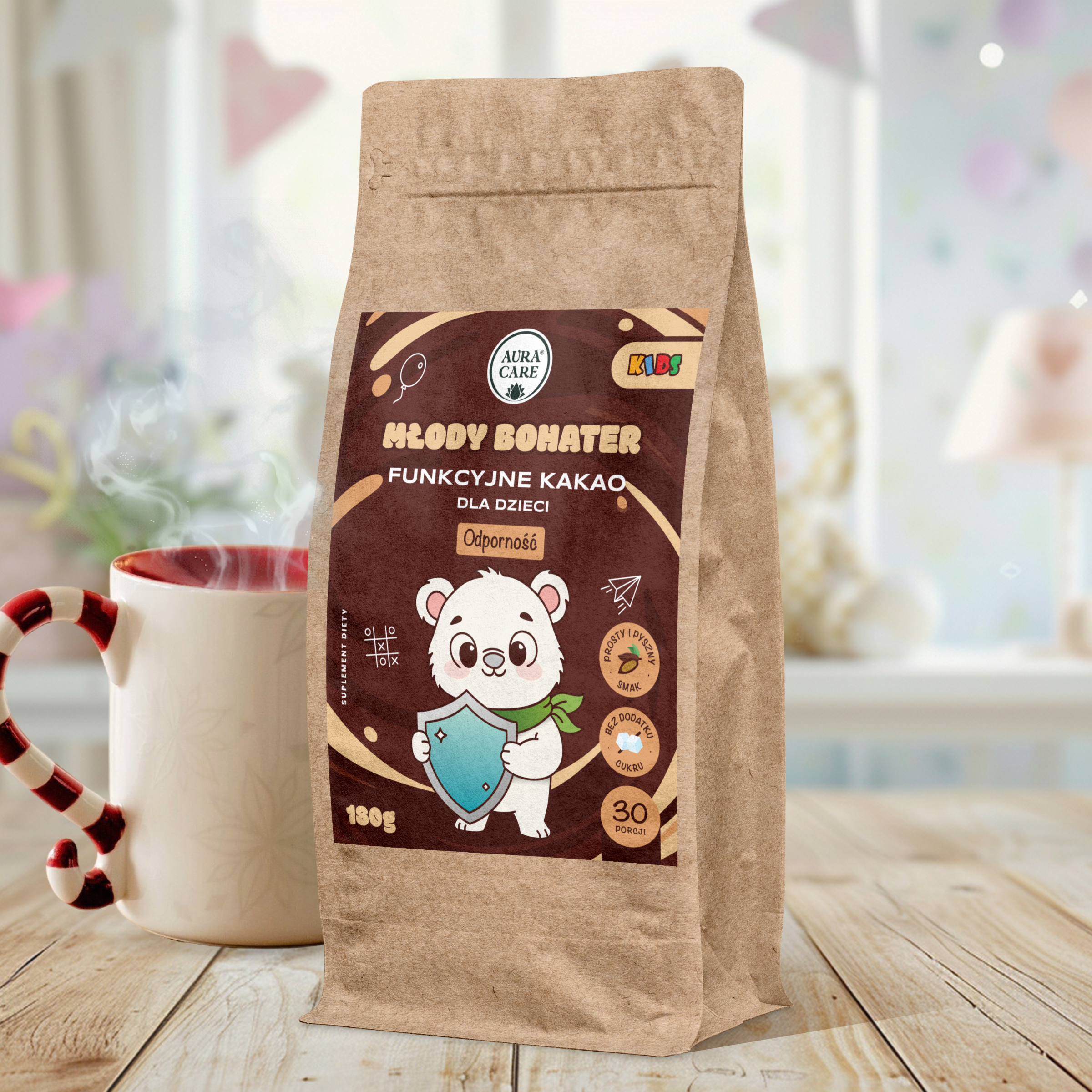
Ostrzeżenia
Produkt nie powinien być spożywany w przypadku stosowania leków o działaniu uspokajającym, nasennym, przeciwpadaczkowym, nie stosować u kobiet w ciąży i w trakcie laktacji.
Nie należy przekraczać zalecanej porcji do spożycia w ciągu dnia.
Suplement diety nie może być stosowany jako substytut (zamiennik) zróżnicowanej diety. Zrównoważony sposób żywienia oraz zdrowy tryb życia są podstawą prawidłowego funkcjonowania organizmu
| Informacje szczegółowe | |
|---|---|
| Stan | nowy |
| Pojemność (ml) | 6x 10ml |
| Zawartość adaptogenów | 6x 9400 mg |
| Kategoria | Zestaw adaptogenów |
| Cechy dodatkowe |
|
Produkt posiada aktualne badania
kliknij w wybrane badanie aby powiększyć


Setki przeczytanych książek i opracowań naukowych, tysiące godzin zgłębiania wiedzy zielarskiej, ogrom prób przy dobieraniu składników i tworzenia składów nie mogą być jedynymi wyznacznikami jakie produkty są najlepsze. Jedynym wyznacznikiem jest zaufanie do skuteczności produktów, a to można uzyskać dzięki dbałości o każdy szczegół. Zostań naszym klientem i przekonaj się sam!
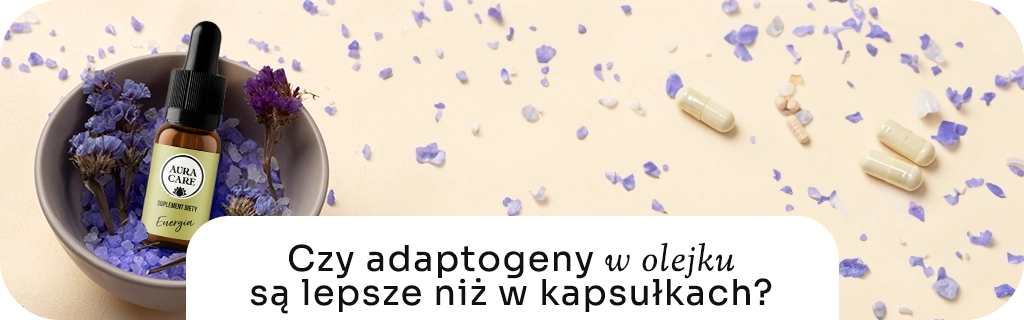
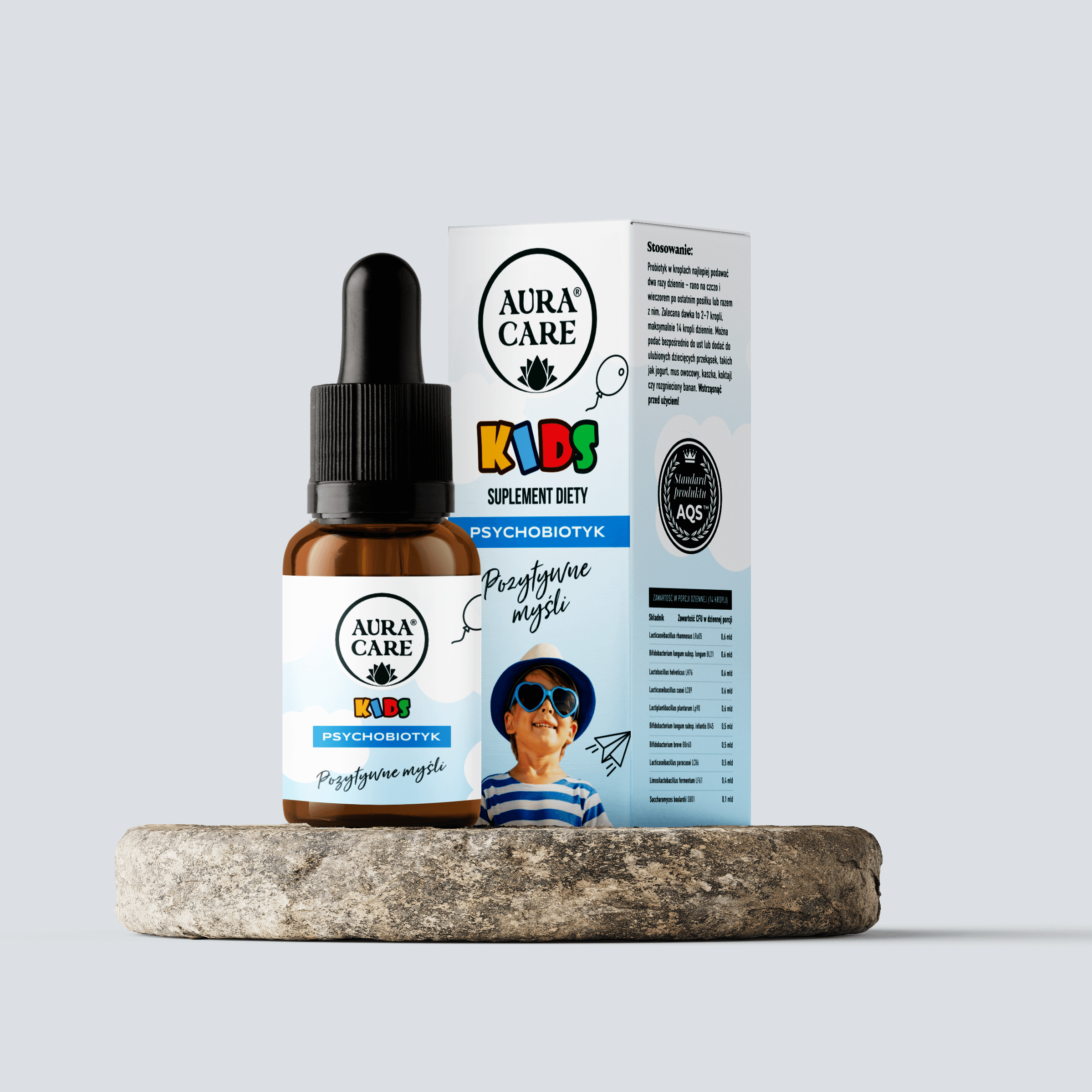
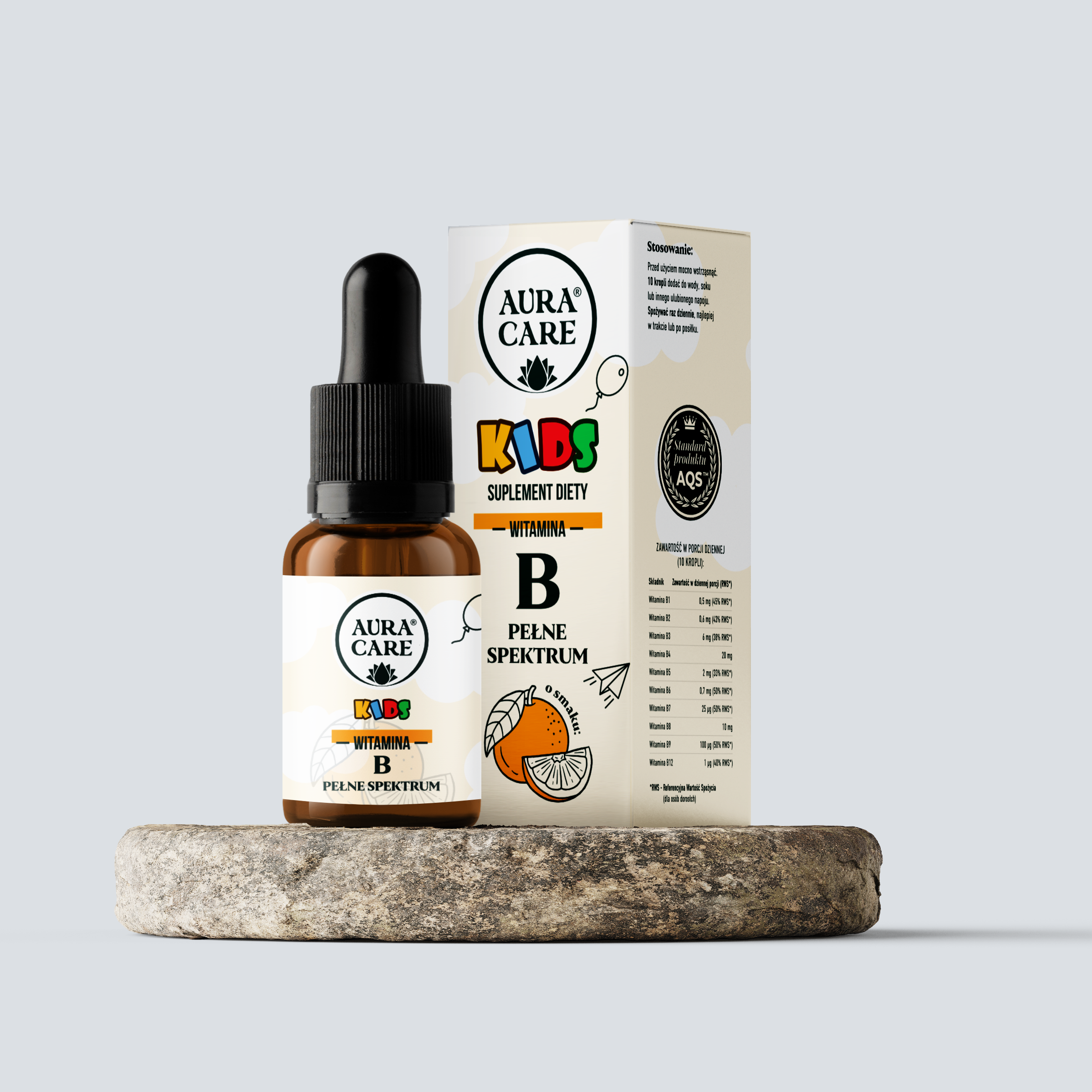
W adaptogenach Aura Care zdecydowaliśmy się na suplementy diety w formie olejku z dołączoną pipetą z zakraplaczem. Na bazie wielu badań zauważyliśmy dużą skuteczność takich preparatów i wygodę przyjmowania , a dodatkowo sama forma olejku pozwala na zwiększenie przyswajania wielu cennych substancji aktywnych. Adaptogeny w formie kropli = wysoka wchłanialność
Indywidualne Zestawy adaptogenów Aura Care
Oferujemy zestawy 3, 4, 5 oraz 6 dowolnych olejków Aura Care.
Kupując zestaw możesz oszczędzić nawet 25%.